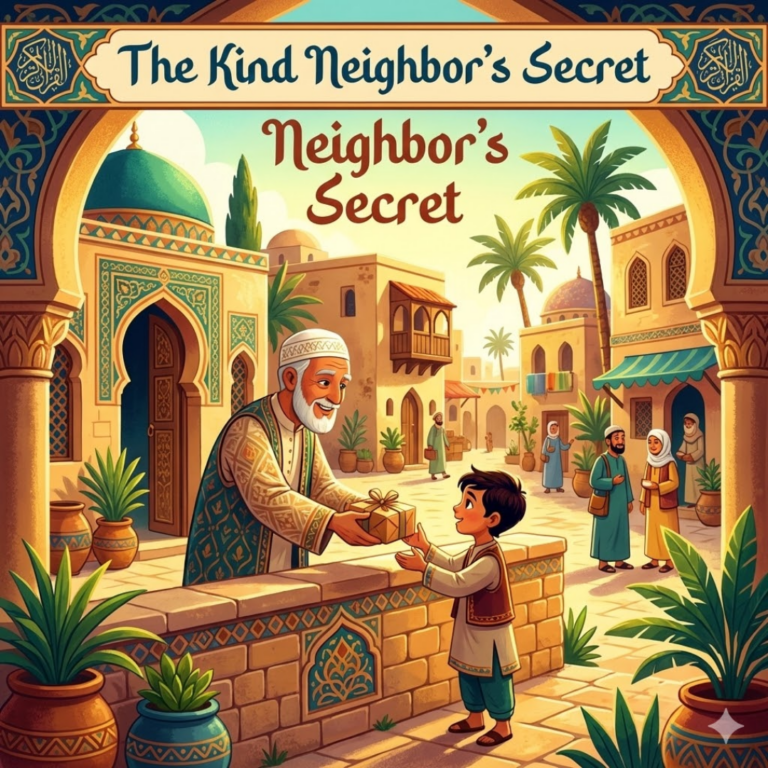
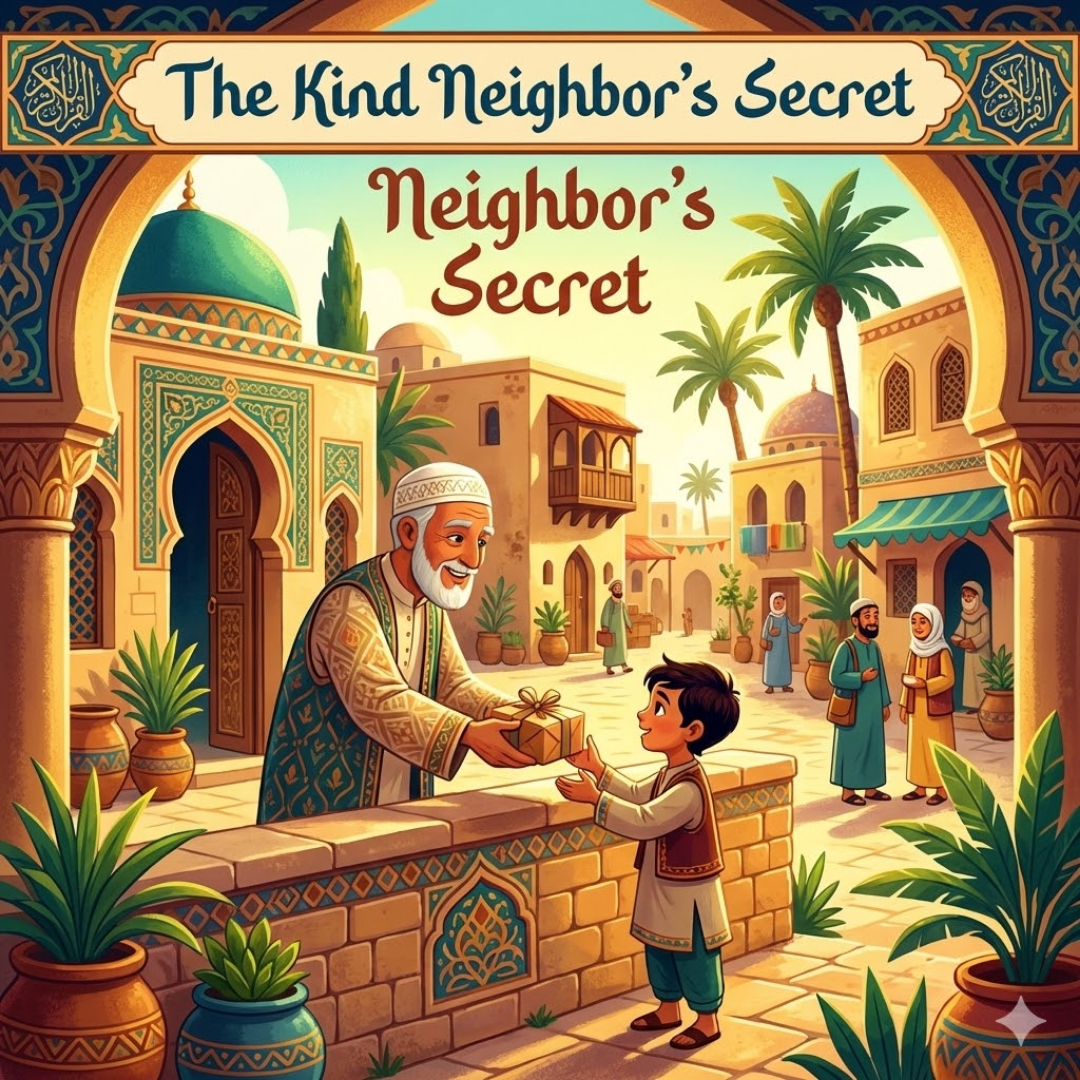
This moral story for children ages 6-12 combines entertainment with important values.
In a small village nestled between rolling hills, where the morning call to prayer echoed from a modest mosque, there lived a merchant named Ibrahim.
He had worked hard all his life. Before dawn, he would rise for Fajr prayer, then walk to his shop in the marketplace. There he sold spices and cloth, greeting each customer with a smile and honest dealings.
By the grace of Allah, Ibrahim had built a comfortable home. His children were healthy. His wife, Zahra, kept a warm hearth. The aroma of fresh bread often drifted from their kitchen.
But next door lived a different story.
* * *
Fatima had been a widow for three years now.
Her husband, a good man who had worked as a carpenter, had fallen from a roof while repairing the mosque. The injury had taken him quickly, leaving Fatima alone with three young children: Yusuf, barely eight years old, and his two younger sisters.
Fatima did what work she could find. She took in washing and mending, her fingers growing calloused from scrubbing other people’s clothes in cold water. She sewed torn garments by candlelight, squinting in the dim glow until her eyes ached.
But the coins she earned were never enough.
Some nights, after the children fell asleep, Fatima would sit alone in the darkness and weep silently. She tried so hard to hide their poverty from the world. She patched the children’s clothes carefully. She taught them to walk with their heads high.
But she could not hide it from Ibrahim.
* * *
From his window, Ibrahim watched his neighbor’s children grow thinner each month.
Little Yusuf, who should have been running and playing like other boys his age, moved slowly, as if even laughter required energy he didn’t have. His sisters’ dresses had been let out so many times that the seams barely held.
One evening, Ibrahim saw Fatima collapse while carrying a heavy basket of wet laundry. She caught herself against the wall, her breath coming in gasps. No one else was watching. She straightened quickly, looked around to make sure no one had seen her weakness, and continued walking.
Ibrahim’s heart squeezed tight in his chest.
That night, after the evening prayer, he spoke to his wife.
“Zahra,” he said quietly, “our neighbor is suffering.”
Zahra nodded. She had seen it too. “Fatima is a proud woman. She would never accept charity.”
“I know,” Ibrahim said. “That is why we must give in a way that preserves her dignity.”
He remembered the Prophet’s words, peace be upon him: *”The upper hand is better than the lower hand. The upper hand is the one that gives, and the lower hand is the one that receives.”* But he also remembered: *”If you give charity openly, it is good. But if you give it to the needy in private, it is better for you.”*
That night, Ibrahim formed his plan.
* * *
When the village slept and the moon rose high, Ibrahim crept from his bed.
He took a small sack and filled it carefully: fresh bread from their kitchen, dates from their pantry, a few coins wrapped in cloth. He added a piece of fine wool—enough for a new dress for one of the girls.
Zahra watched him by the light of a single candle. “You are a good man,” she whispered.
“I am only doing what Allah commands,” he replied.
Ibrahim slipped out into the night. The air was cold and clear. Stars blazed overhead like scattered diamonds. His bare feet made no sound on the dusty path.
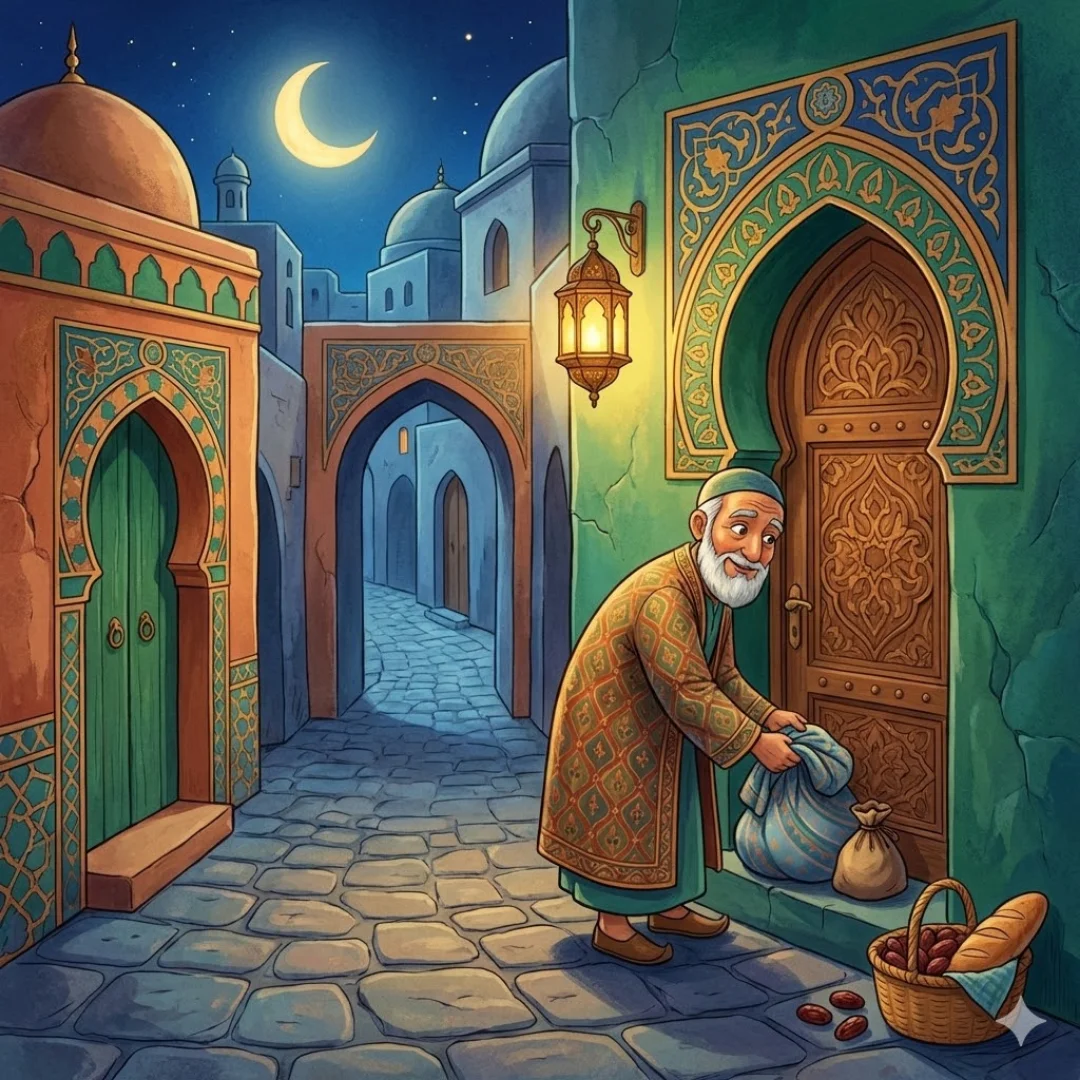
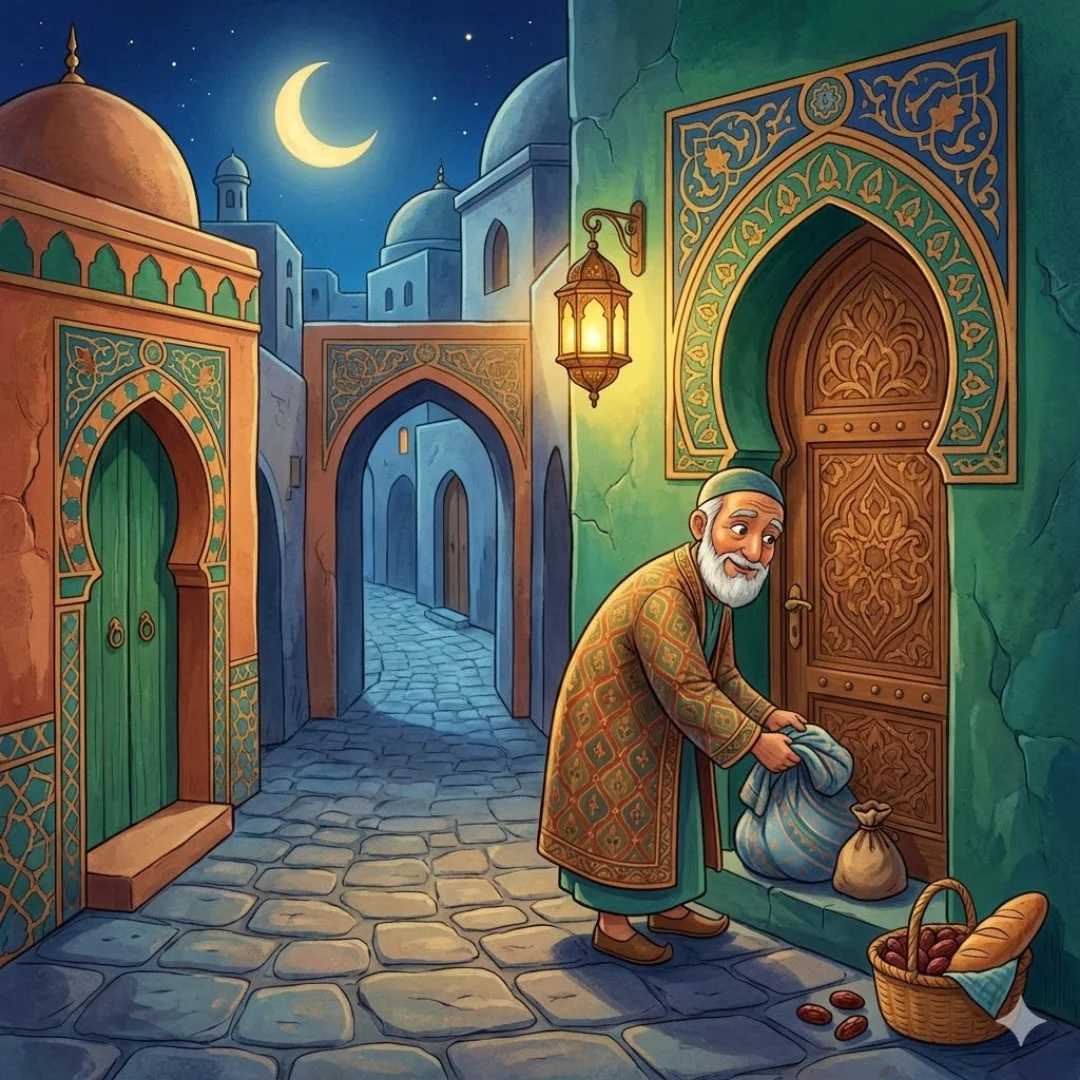
He reached Fatima’s door and placed the bundle carefully on her doorstep. For a moment, he stood there, looking at the weathered wood of her door, imagining the relief these simple gifts might bring.
Then he turned and disappeared into the shadows like smoke.
* * *
Fatima found the bundle at first light, when she opened her door to sweep.
For a long moment, she simply stared at it. Then she fell to her knees and wept—not from sadness this time, but from overwhelming gratitude.
“Alhamdulillah,” she breathed. “Praise be to Allah.”
She called her children to show them. “Look what Allah has provided! We have been blessed by an angel we cannot see.”
Young Yusuf touched the bread reverently. “Who left this, Mama?”
“I don’t know, my son. But we must thank Allah, for He is the one who softens hearts and moves people to kindness.”
Fatima never discovered who her mysterious benefactor was. She asked neighbors. She watched the street carefully. But Ibrahim was too clever, and too committed to secrecy.
And so the gifts continued.
* * *
Week after week, month after month, the bundles appeared.
Sometimes bread and fruit. Sometimes cloth or cooking oil. Once, during winter, a thick blanket appeared—just when the children had been shivering through the cold nights.
Fatima’s gratitude grew with each gift. “Allah sees us,” she would tell her children. “He knows our needs. Never forget this mercy.”
The children grew stronger. Color returned to their cheeks. Yusuf began to smile again.
And Ibrahim watched from his window, his own heart full, wanting nothing in return.
* * *
But secrets, even kind ones, are hard to keep forever.
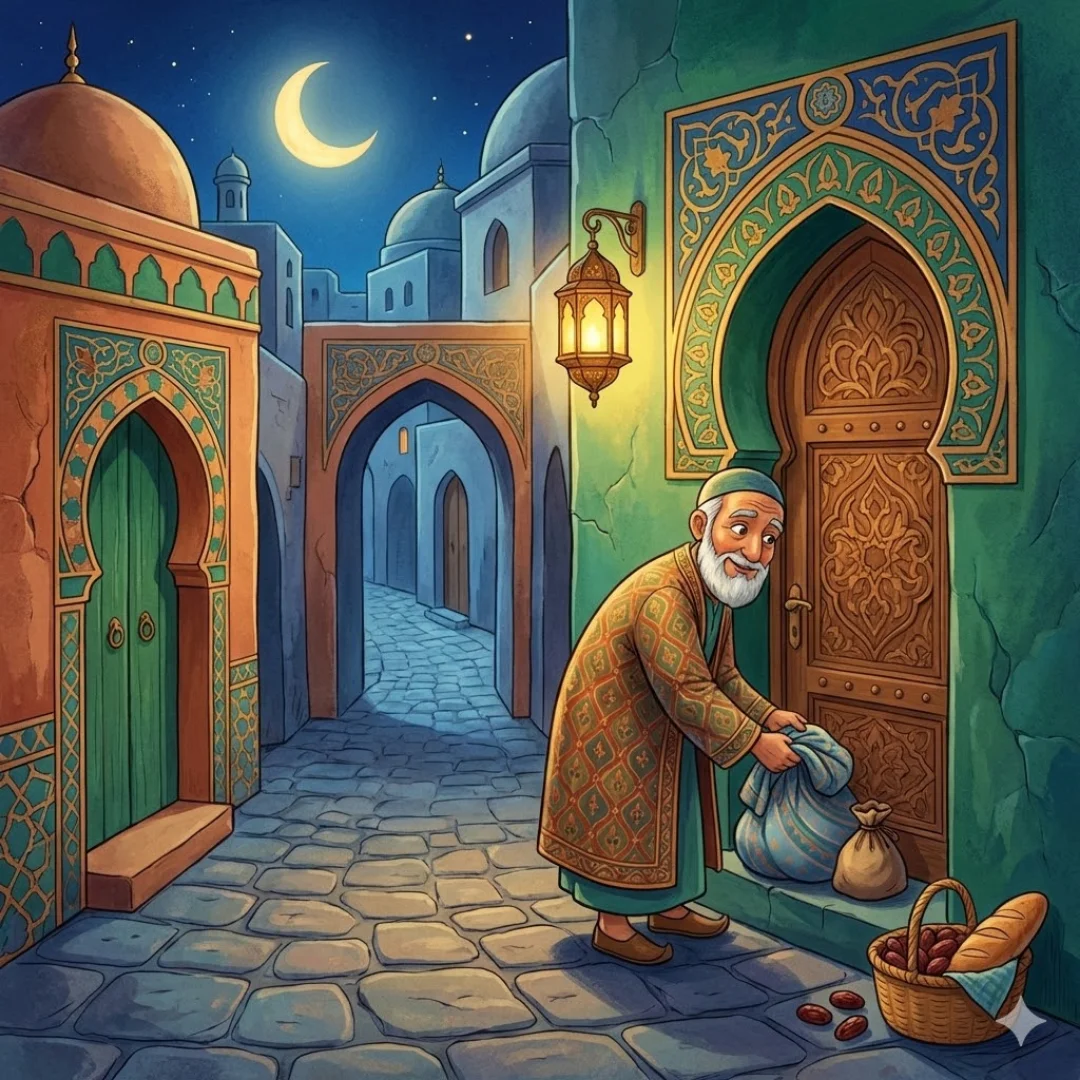
One night, Zahra followed her husband and discovered what he was doing.
She waited until he returned home, then confronted him gently. “Why do you hide your charity, husband? Surely it would be good for Fatima to know who helps her? She could thank you properly.”
Ibrahim shook his head. He took his wife’s hands in his own.
“My beloved,” he said softly, “do you remember what the Prophet taught us, peace be upon him? He said: *’If you give alms openly, well and good. But if you give to the poor in secret, it is better for you.’*”
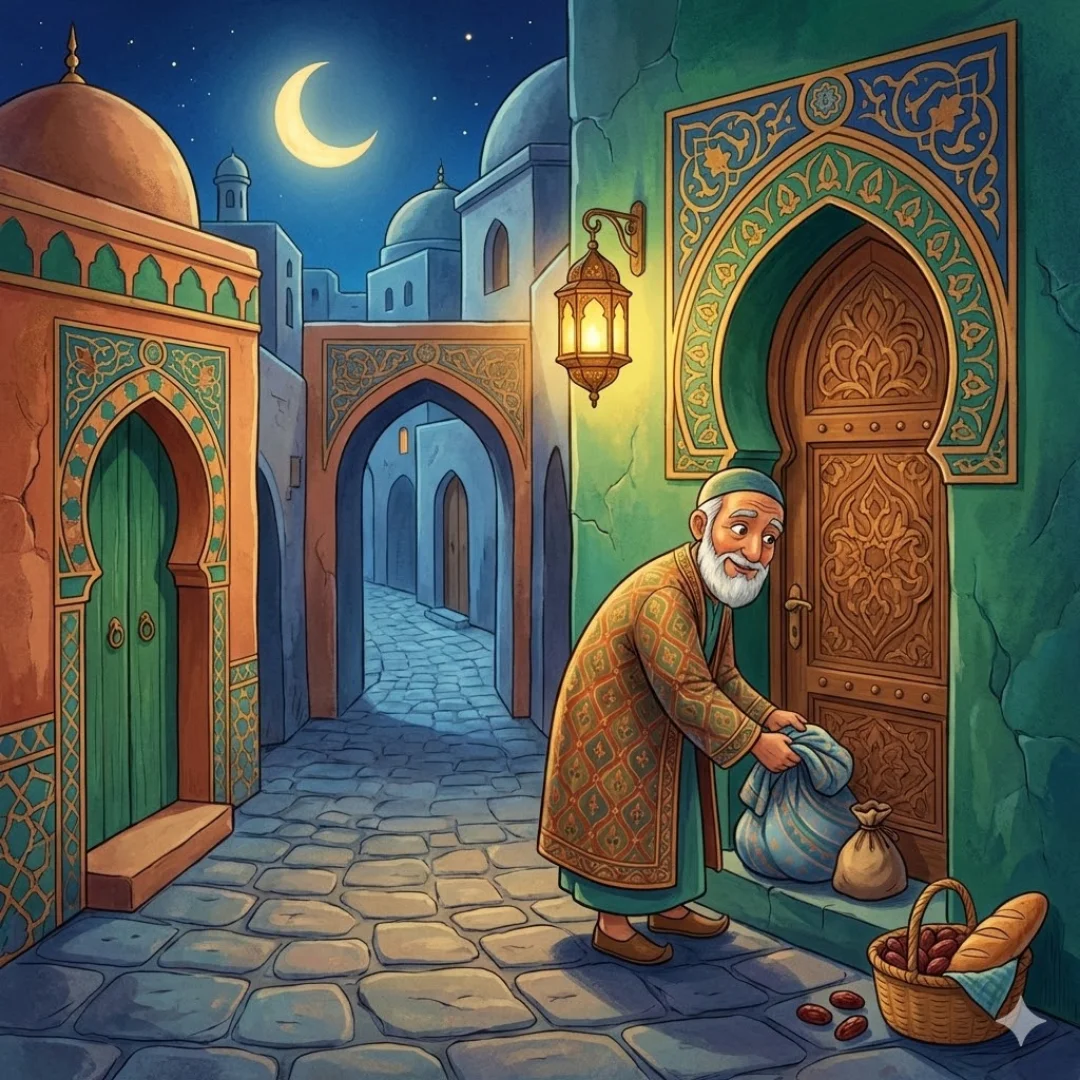
He paused, choosing his words carefully.
“When charity is given openly, Zahra, sometimes it becomes about the giver’s pride rather than the receiver’s need. And sometimes—” his voice grew even softer, “—sometimes it makes the receiver feel small. It can make them feel indebted, embarrassed, less than human.”
Zahra’s eyes filled with understanding.
“But when we give in secret,” Ibrahim continued, “there is no pride. No debt. No shame. Fatima can hold her head high, believing Allah Himself is providing for her. And we receive our reward from Allah alone, not from the praise of people.”
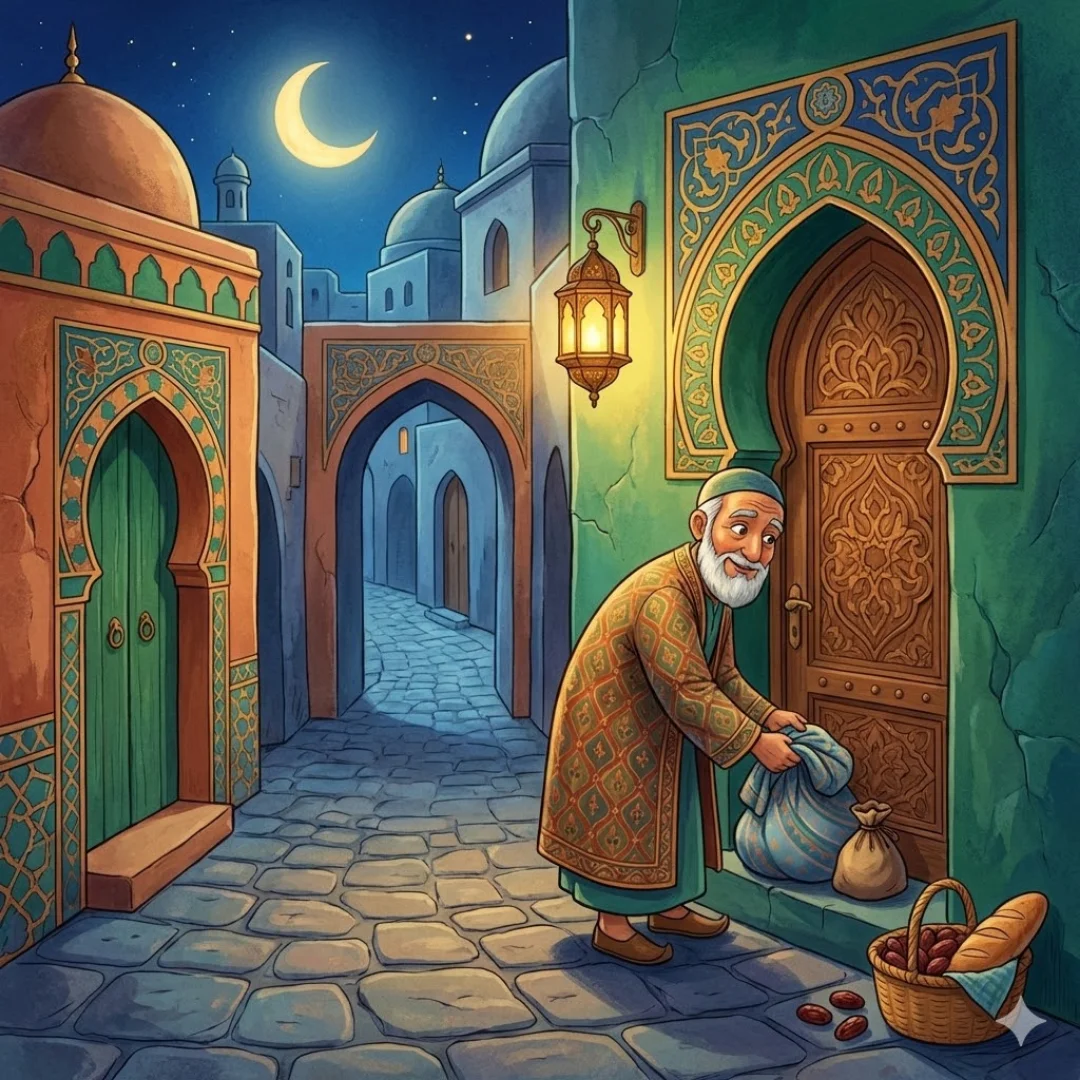
“The Prophet also taught us,” he added, “that on the Day of Judgment, among those who will be shaded under Allah’s throne will be *’a person who gives charity and hides it so much that his left hand does not know what his right hand gives.’* This is what I seek, wife. This is the charity Allah loves most.”
From that night forward, Zahra joined her husband in his secret mission.
Together, they would prepare the bundles. Together, they would slip through the darkness. And together, they found a joy deeper than any public praise could bring.
* * *
Years passed.
Yusuf grew into a strong young man. His sharp mind and gentle manner caught the attention of a master potter in the neighboring town, who took him as an apprentice.
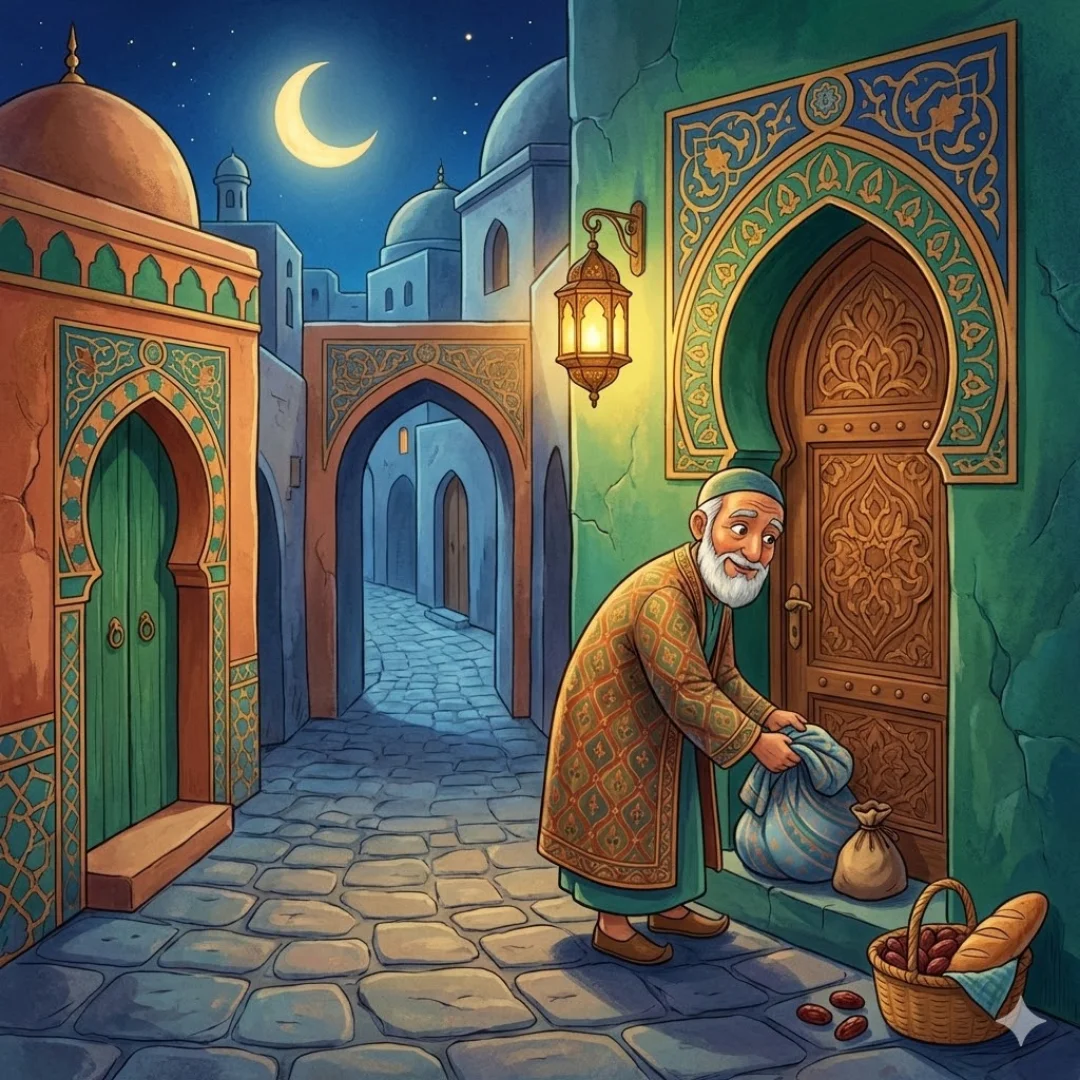
Yusuf proved so talented that within a few years, he opened his own pottery shop. His vessels were beautiful—graceful jars and bowls that people traveled far to buy.
His first earnings, he brought to his mother.
“Now we can live comfortably, Mama,” he said, placing coins in her weathered hands. “And I want to find the angel who saved us all those years. I want to thank them properly.”
But though Yusuf asked everyone in the village, no one knew the answer. Ibrahim had kept his secret perfectly.
* * *
More years passed, and Ibrahim grew old.
His hair turned white as snow. His strong back began to curve. His steps became slow and careful.
Then one winter, Ibrahim fell ill with a fever that would not break.
The entire village came to pray for him—for he was beloved, a man known for his honesty, his gentleness, his wisdom in settling disputes.
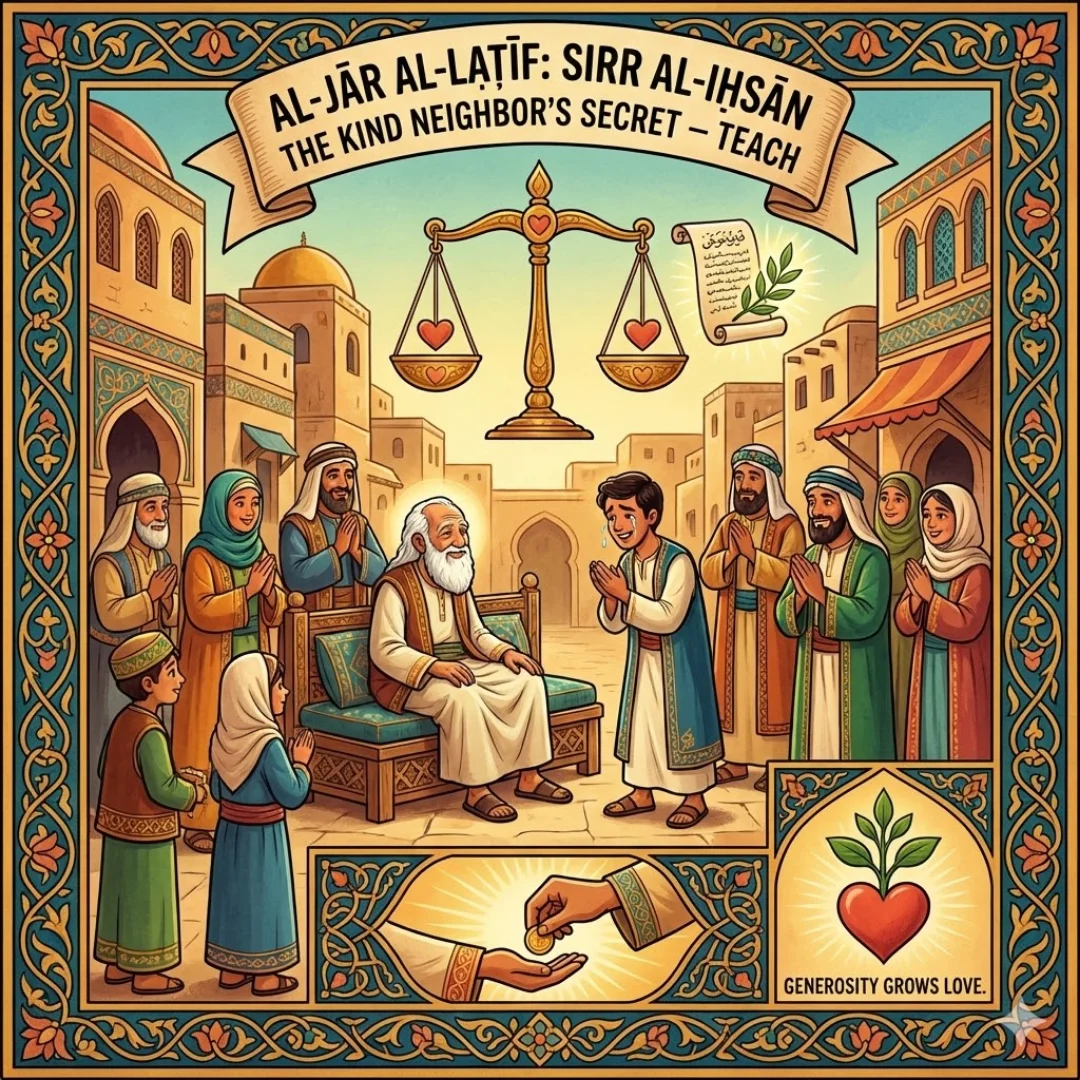
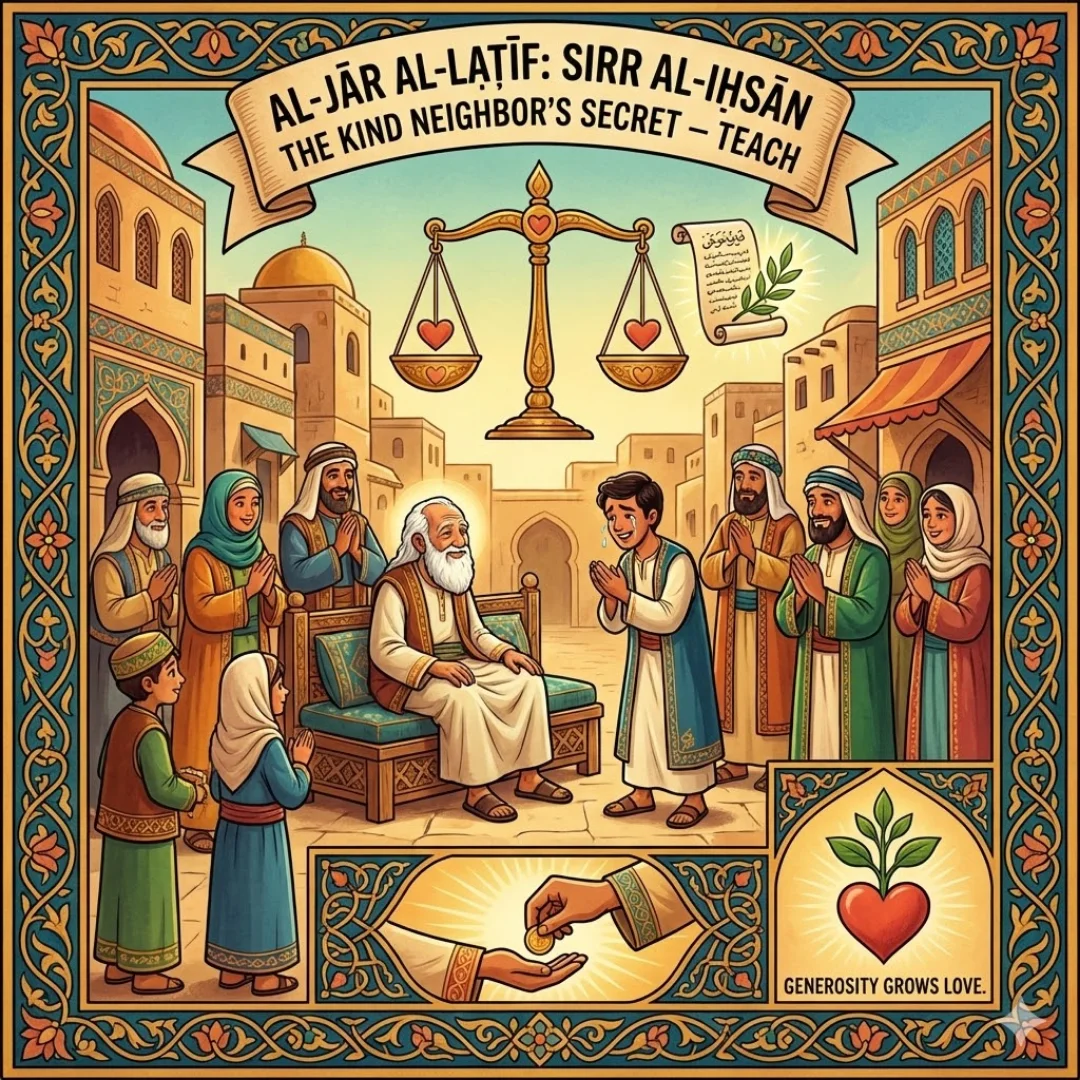
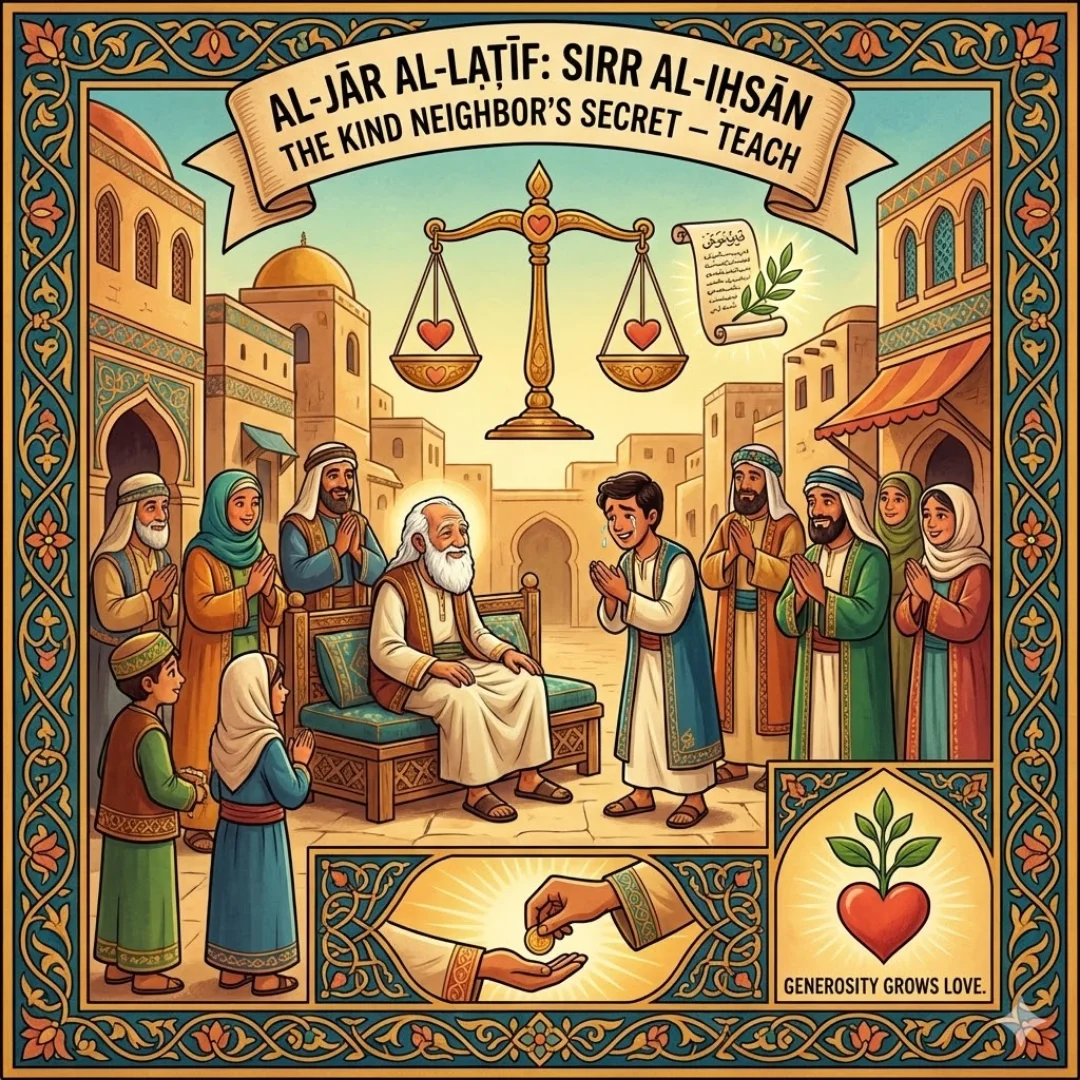
Among the visitors was Yusuf, now a prosperous potter with his own family. He sat by Ibrahim’s bedside, reading verses from the Quran in a soft voice.
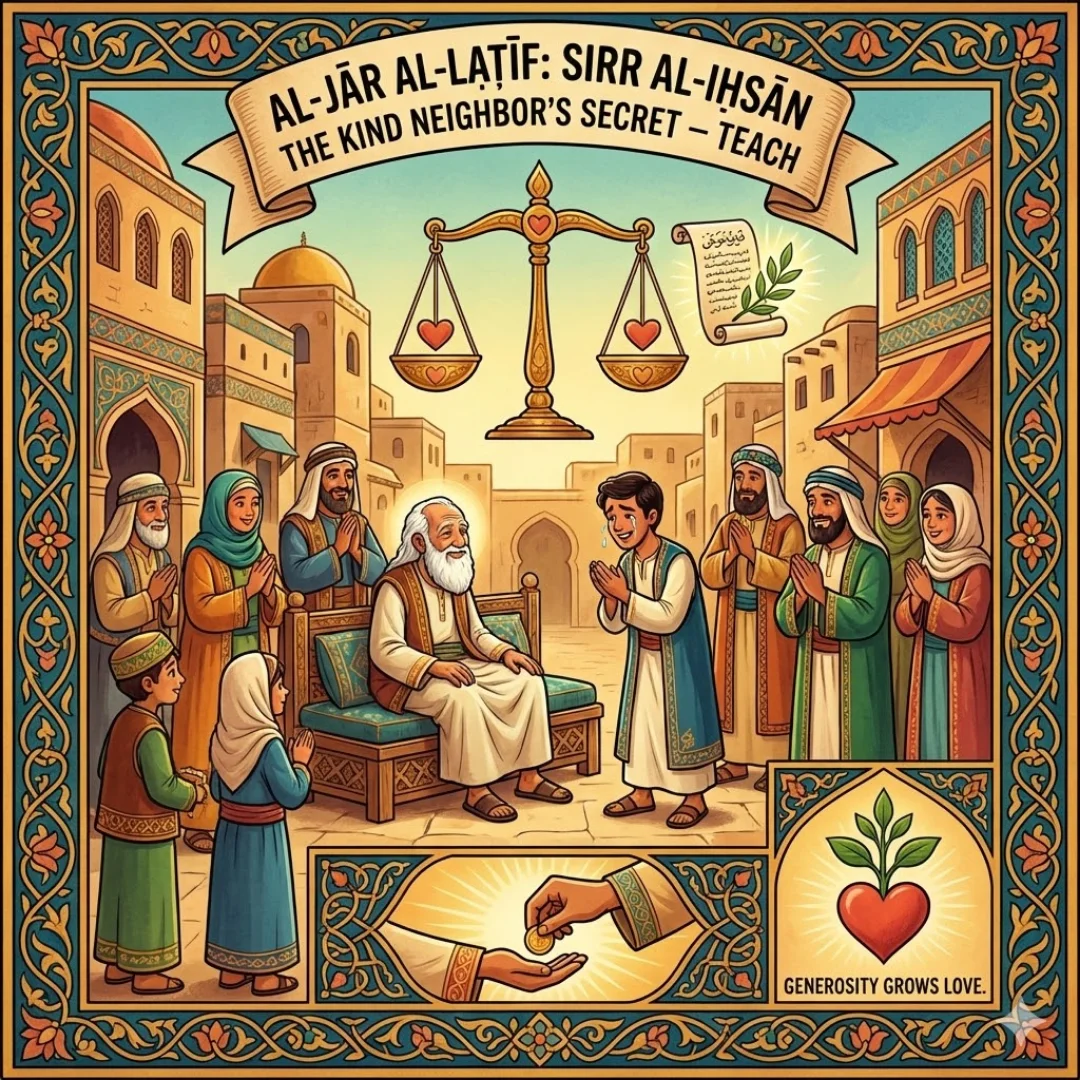
As Yusuf prepared to leave, Ibrahim asked him to bring water. Yusuf hurried to find a cloth to wet the old man’s lips.
And as he searched, he found something in Ibrahim’s chest—a piece of fabric, old and worn, wrapped around a few coins.
Yusuf’s hands began to shake.
He recognized that fabric. It was the same distinctive pattern his mother had saved from one of the very first bundles—a piece she had kept all these years as a remembrance of Allah’s mercy.
The truth crashed over him like a wave.
“It was you,” he whispered, tears streaming down his face. He returned to the bedside and took Ibrahim’s frail hand. “All those years. The bread, the dates, the clothes, the blanket. It was you.”
Ibrahim’s fever-bright eyes met Yusuf’s.
“It was Allah,” he whispered. “I was only the hand He chose to use.”
“But why?” Yusuf asked. “Why did you never tell us? My mother would have been so grateful. We could have thanked you properly.”
Ibrahim smiled weakly. “And that, my son, is exactly why I stayed silent. True gratitude belongs to Allah alone. I wanted your mother to look to Heaven for her help, not to a neighbor’s door. I wanted her dignity preserved. I wanted no debt between us—only love.”
He paused to catch his breath, then added, “The Prophet taught us, peace be upon him, that the best charity is given in secret. This way, my left hand did not know what my right hand gave. And my reward is with Allah, not with men.”
* * *
Yusuf wept for a long time, holding the old man’s hand.
When Ibrahim recovered from his fever—for Allah willed him a few more years of life—Yusuf made him a promise.
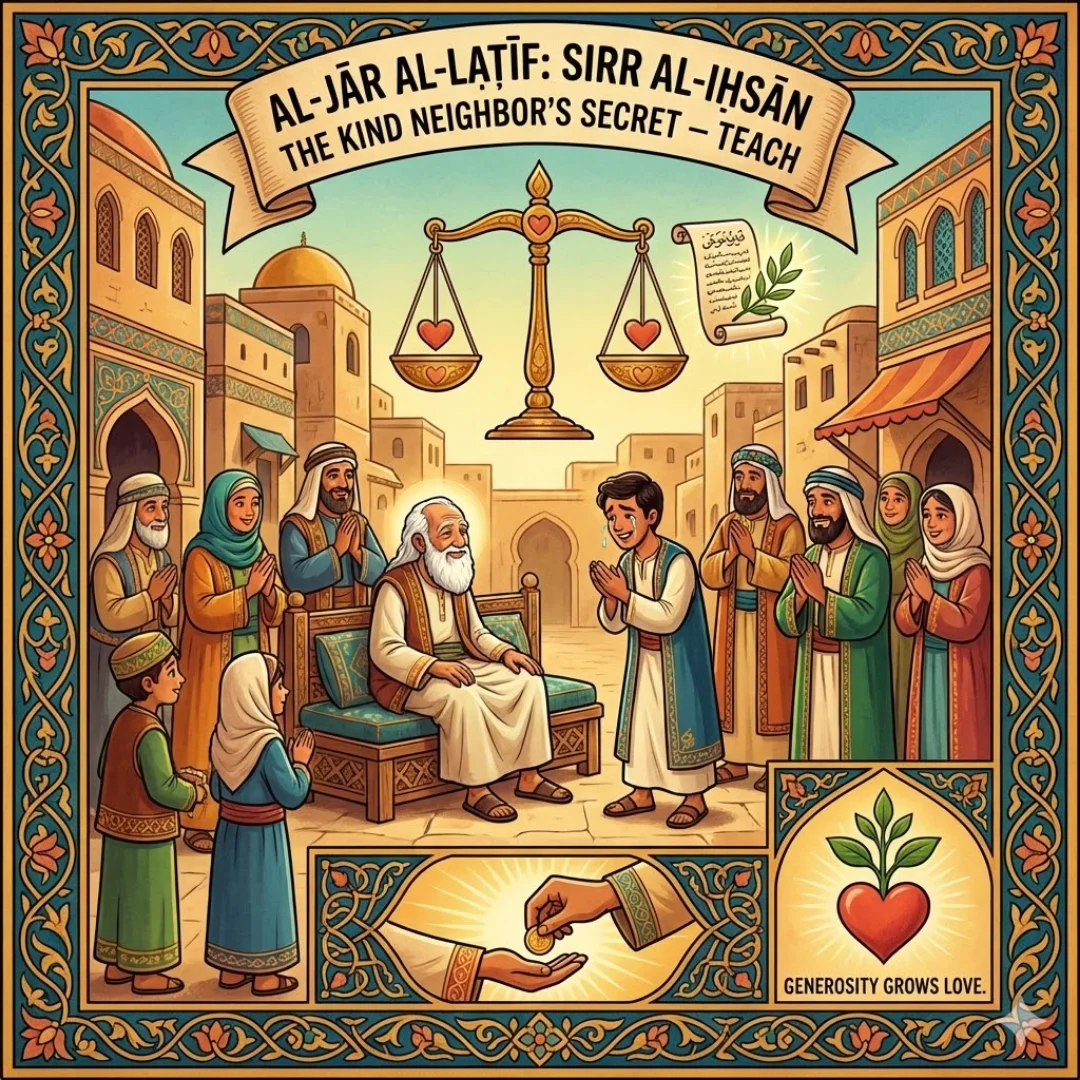
“I will continue what you began,” he said. “I will give in secret as you did. Every week, I will find someone in need and leave gifts at their door, as anonymous as the night itself.”
And he kept that promise for the rest of his life.
In fact, Yusuf taught his own children to do the same. “This is our family’s legacy,” he would tell them. “We give as if Allah Himself is watching—because He is. And we expect nothing in return except His pleasure.”
* * *
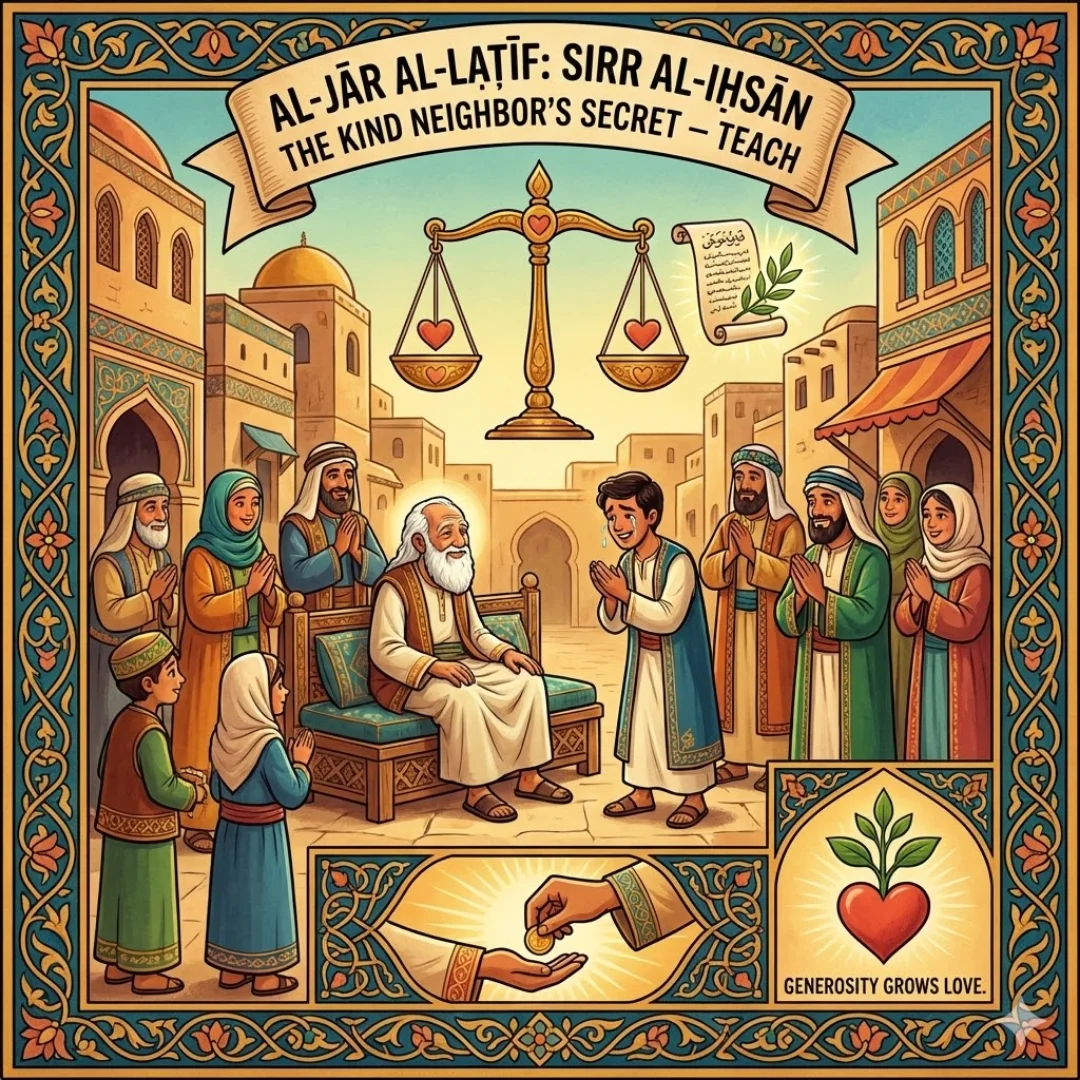
The story of Ibrahim’s secret charity eventually spread through the village, but only after he had passed away and could no longer be embarrassed by the praise.
People told it not to glorify Ibrahim, but to teach a lesson that the whole ummah—the whole Muslim community—needs to remember:
The most beautiful kindness is the kindness that seeks no recognition.
The truest generosity is given when no one is looking.
The charity that Allah loves most is the charity that the right hand gives while the left hand remains unaware.
To this day, in villages throughout the Muslim world, there are still people who leave secret gifts at the doors of those in need. They slip away into the darkness, their identities unknown, their rewards written in the Book that only Allah can read.
And every time someone finds such a gift and whispers, “Alhamdulillah—praise be to Allah,” a circle of mercy completes itself:
From Allah’s abundance to a generous heart, from that heart to a needy hand, and from that hand back to Heaven in gratitude.
This is the way of sadaqah. This is the way of the Prophet, peace be upon him. And this is the way that leads to shade on the Day when there will be no shade except from the Throne of the Most Merciful.
MORAL LESSONS:
– True charity is given in secret, seeking no recognition from people
– The best giving preserves the dignity of both the giver and receiver
– Gratitude should be directed to Allah, not to human benefactors
– Small, consistent acts of kindness are better than grand public gestures
– Secret charity purifies the heart from pride and ostentation
– Following the Prophet’s example brings lasting blessings
CULTURAL & RELIGIOUS ELEMENTS PRESERVED:
– Islamic concept of sadaqah (voluntary charity)
– Hadith teachings about secret charity
– Five daily prayers (Fajr mentioned)
– Prophet Muhammad’s teachings (peace be upon him)
– Quranic recitation for the sick
– Islamic phrases: Alhamdulillah (praise be to Allah)
– Day of Judgment imagery (shade under Allah’s throne)
– Ummah (Muslim community)
– Islamic values: dignity, humility, sincerity
ENGAGEMENT ENHANCEMENTS ADDED:
+ Vivid sensory details (cold water on calloused hands, stars like diamonds)
+ Showing emotions through actions (Fatima collapsing, hands shaking)
+ Dialogue that reveals character depth
+ Scene breaks for better pacing
+ Internal thoughts showing Ibrahim’s reasoning
+ Specific details (pottery, fabric patterns, fever)
+ Generational continuation (Yusuf teaching his children)
+ Universal themes about dignity and kindness
+ Child-appropriate while maintaining Islamic authenticity
SOURCES:
– [Charity in Islam](https://al-islam.org/anecdotes-reflection-part-3-sayyid-ali-akbar-sadaaqat/52-charity)
– [Islamic Stories for Kids](https://sahlahacademy.net/islamic-stories-for-kids-5-best-stories/)
– Sahih Bukhari hadith on secret charity
– Quranic teachings on sadaqah
Test Your Understanding
1. What was Ibrahim’s occupation in the village?
Frequently Asked Questions
What is the moral lesson of The Kind Neighbor’s Secret – Teach?
What age is this story appropriate for?
How long does it take to read The Kind Neighbor’s Secret – Teach?
What culture does this story come from?
Can I use this story for teaching?
Frequently Asked Questions
What is ‘The Kind Neighbor’s Secret’ about?
This moral story for children follows Ibrahim, a successful merchant, and his neighbor Fatima, a struggling widow with three young children. Set in a small village, the story reveals how Ibrahim secretly helps his neighbor while teaching valuable lessons about kindness, compassion, and community support.
What age group is this bedtime story appropriate for?
This moral story is designed for children ages 6-12. The content combines gentle storytelling with important life values, making it perfect for bedtime reading while teaching kids about helping others and being good neighbors in their community.
What moral lesson does this story teach kids?
The story teaches children about the importance of helping neighbors in need, showing kindness without expecting recognition, and how small acts of generosity can make a big difference in someone’s life. It emphasizes community support and compassion for those facing hardships.
📚 Recommended Books
Handpicked for readers like you
As an Amazon Associate, we earn from qualifying purchases. These recommendations are personalized based on this story's themes and your reading history.
Is this story suitable for Muslim families?
Yes, this moral story features Islamic characters and references, including prayer times and mosque settings. However, the universal themes of kindness, helping neighbors, and community support make it meaningful for families of all backgrounds who want to teach children good values.
How long does it take to read this moral story for children?
This story is designed as a complete moral tale that can be read in about 10-15 minutes, making it perfect for bedtime reading or classroom story time. The engaging narrative keeps children interested while delivering important life lessons about kindness and helping others.